There are football games on the schedule, and then there are rivalry games.
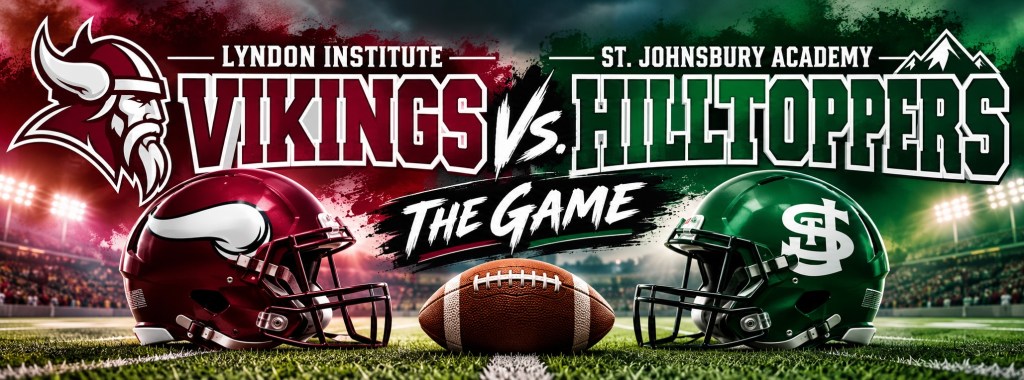
The 121st playing of “The Game” between St. Johnsbury Academy and Lyndon Institute is something special.
You can feel it in the days leading up to kickoff. The conversations change on campus and throughout the community. Students decorate floats for the parade. Teachers decorate hallways and classrooms. Alumni return to campus, and families make plans to be part of the experience.
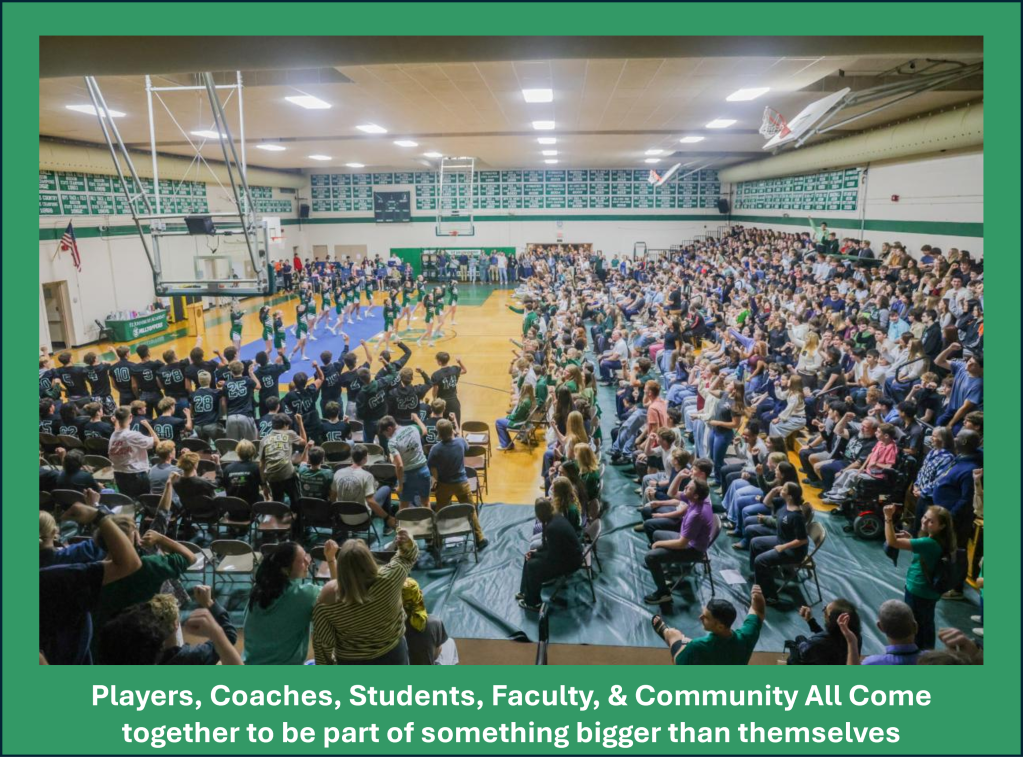
The excitement extends well beyond the football field. School spirit becomes something shared by students, teachers, families, alumni, and the entire community.
For many, “The Game” is an opportunity to reconnect with old friends, celebrate their school, and participate in a tradition that has brought generations together.
For our players, it means something more.
They are the current stewards of a tradition that existed long before they arrived and will continue long after they graduate.
Their opportunity to contribute to that legacy is fleeting. Generations of players before them have built and preserved this tradition, and now they have entrusted it to this team. In time, our players will pass that same responsibility to those who follow. What they do with their opportunity is up to them. Their responsibility is not simply to inherit the legacy, but to advance it, strengthen it, and preserve it for the generations yet to come.
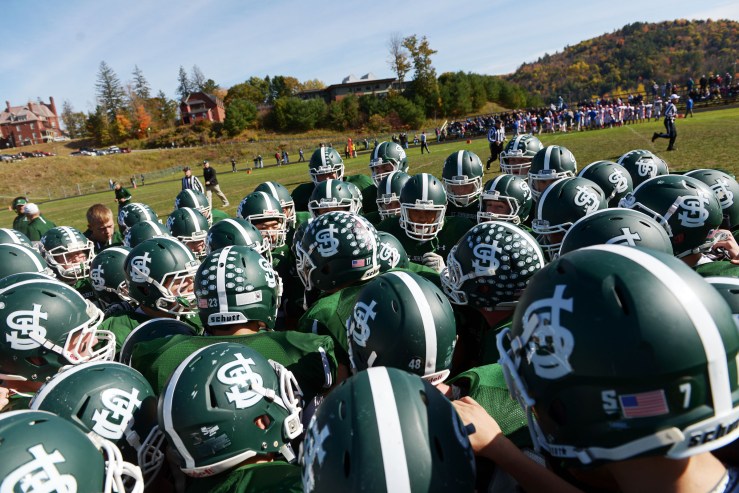
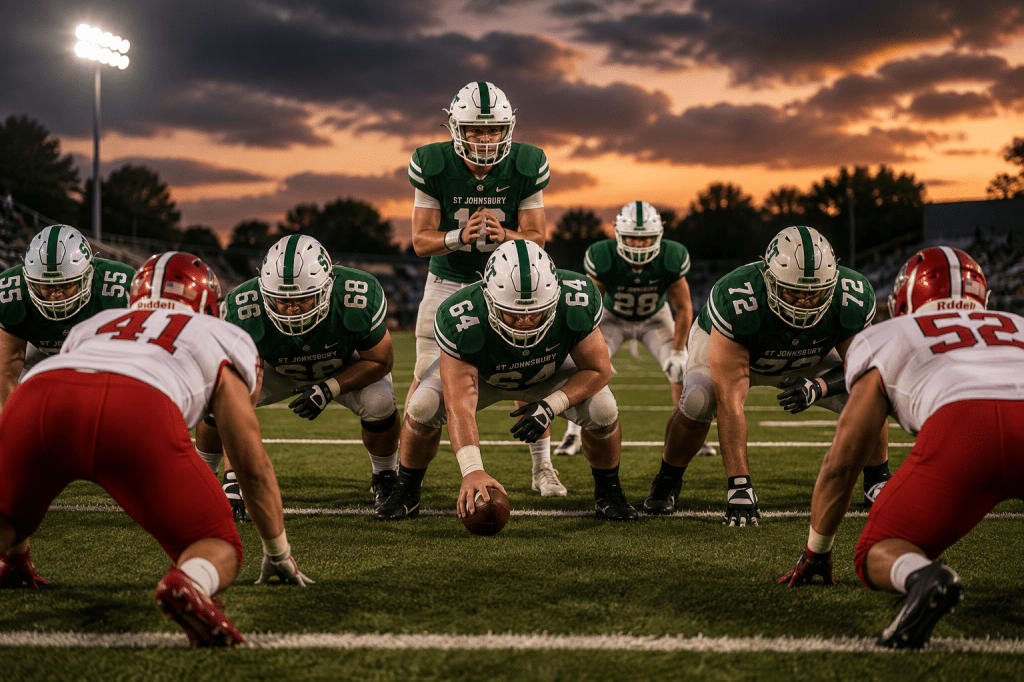
When they put on their uniforms, they represent more than themselves. They represent their teammates, their coaches, their school, and the generations of players who wore those same colors before them. They represent the families and community members who take pride in what St. Johnsbury Academy stands for.
That’s a responsibility worth understanding.
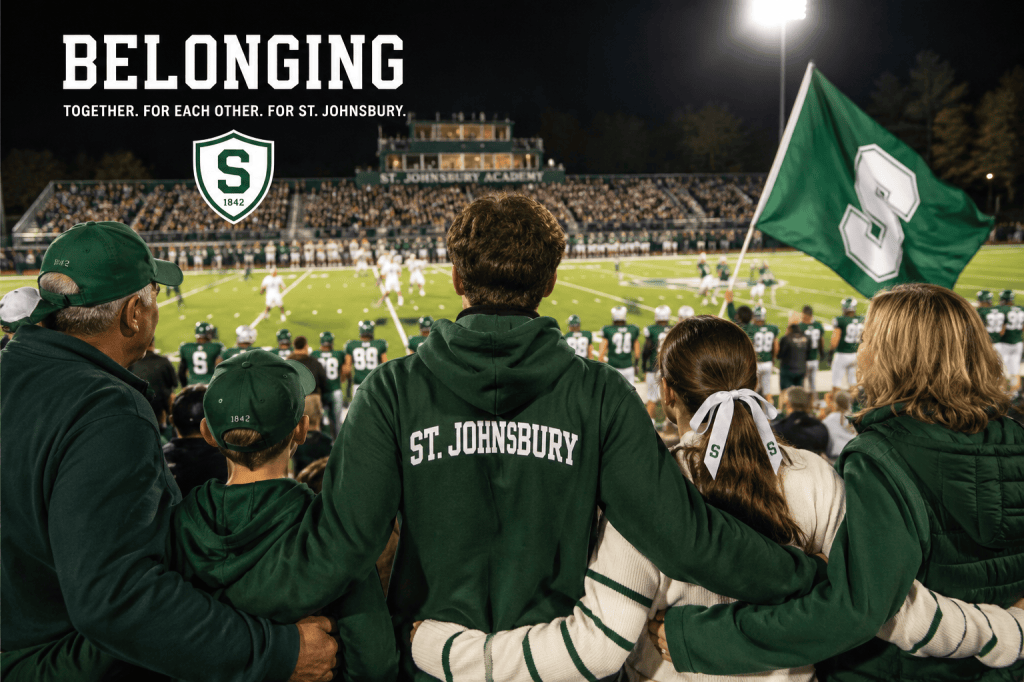
In a small community, traditions like “The Game” have a way of bringing people together. They provide a common identity, a sense of belonging, and an opportunity to be part of something larger than ourselves.
When we take the field on Saturday, we carry more than a game plan. We carry the pride of our school, the support of our families, the memories of our alumni, and the expectations of our community.
That is what makes rivalry games so special.
They remind us that football is not simply a game played by a team. It is an experience shared by an entire community.
And when the stands fill, the crowd roars, and the opening whistle blows, our players have an opportunity to do more than win a football game.
They have an opportunity to give their community something worth remembering.
Coach Rich Alercio is available to discuss coaching philosophy, X’s & O’s, or teach his O-Line “techniques in the trenches.” Contact Coach at richalercio@gmail.com and share http://www.olineskills.com with your colleagues and friends. Thanks for supporting this blog and joining our conversations, and as always, thanks for your time!